Tuscany vs Amalfi Coast: Which Italian Region Is Right for You?
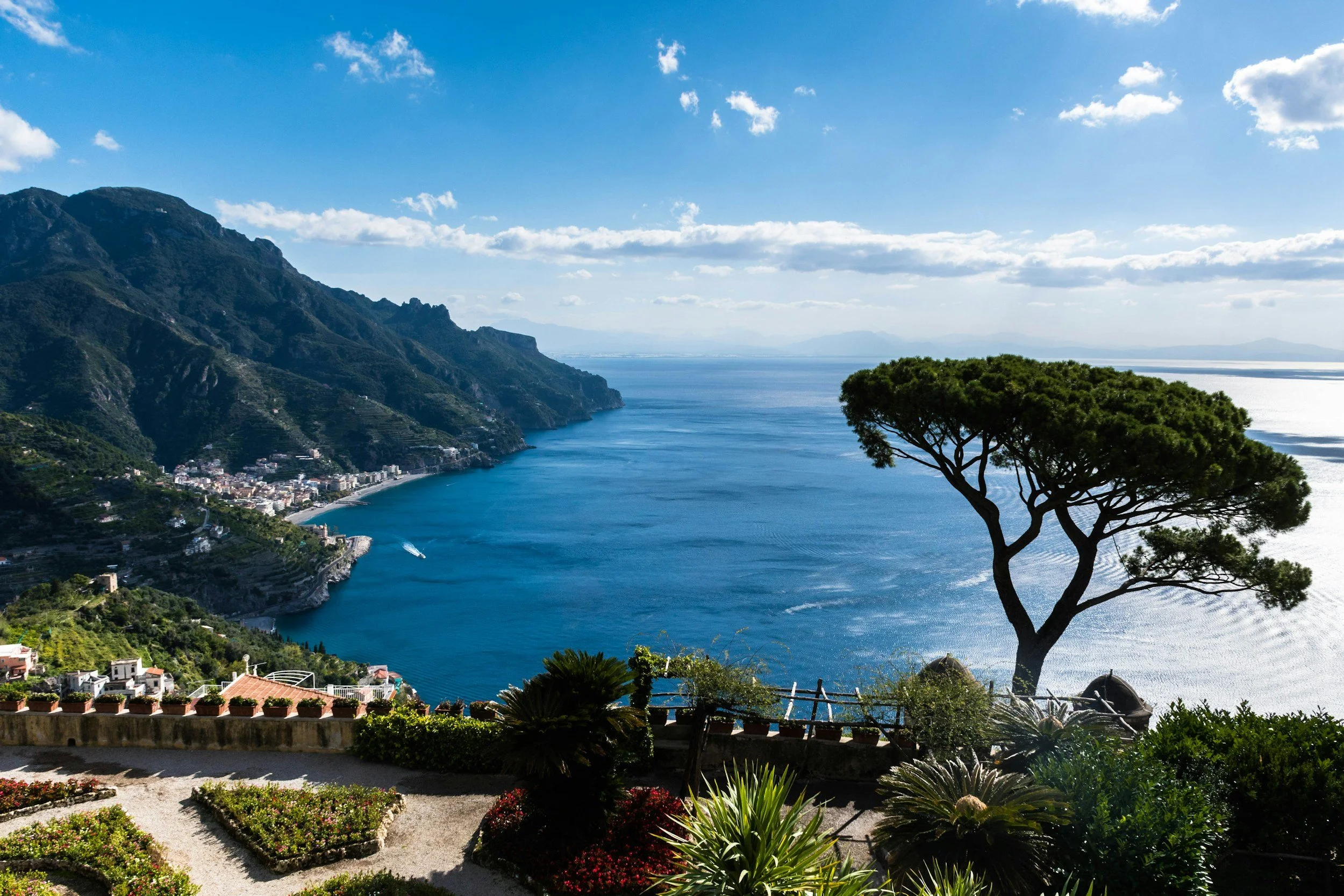
View from the top- Ravello, Amalfi Coast
There's something undeniably magnetic about Italy. Perhaps it's the way golden sunlight filters through cypress trees, or how a perfectly aged Barolo can transport you to another era entirely. After years of curating bespoke Italian experiences for discerning travelers, I'm still asked one question more than any other: Should I choose Tuscany or the Amalfi Coast?
It's a delightful dilemma, truly. Both regions represent the pinnacle of Italian luxury travel, yet they offer remarkably different experiences. Tuscany whispers of Renaissance art and rolling vineyard-covered hills, while the Amalfi Coast dazzles with dramatic cliffside villages and impossibly blue Mediterranean waters. The right choice depends entirely on what stirs your soul.
Let me walk you through both regions so you can discover which one calls to you.
Tuscany: Where Culture Meets Countryside
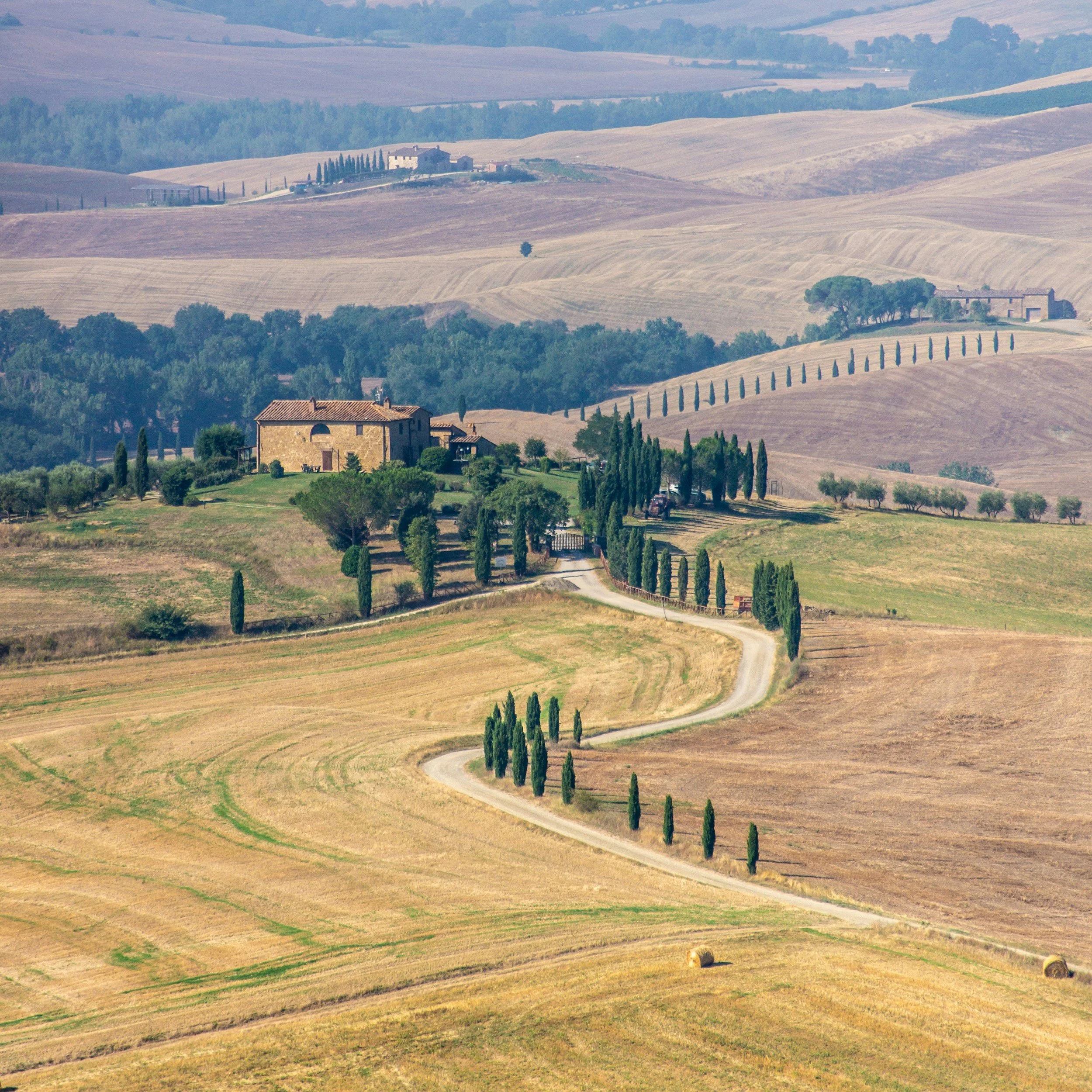
Val d’Orcia, Tuscany
Tuscany needs little introduction. This is the Italy of your imagination—the one from Frances Mayes' memoirs and countless Renaissance paintings. Picture yourself winding through Val d'Orcia's gentle hills, where medieval stone farmhouses dot landscapes that have barely changed since the 15th century.
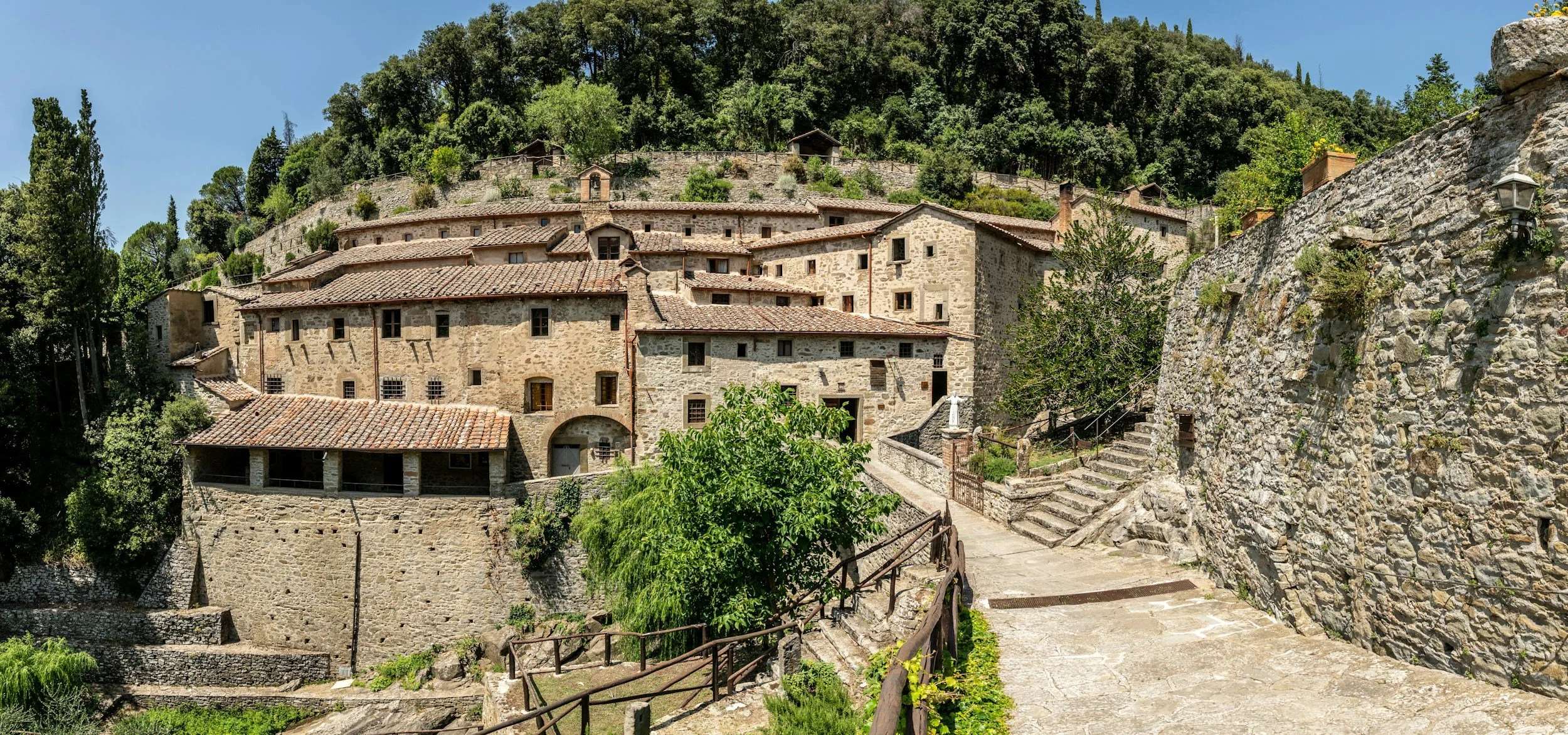
Cortona, Tuscany
The region's appeal extends far beyond its postcard beauty. Tuscany offers an embarrassment of cultural riches: Florence's Uffizi Gallery, Siena's magnificent Piazza del Campo, and the medieval towers of San Gimignano. Between museum visits, you'll discover that Tuscany takes its gastronomy as seriously as its art. The Chianti Classico wine region alone could occupy weeks of your time, with family-owned estates offering tastings that feel more like intimate conversations than transactions.
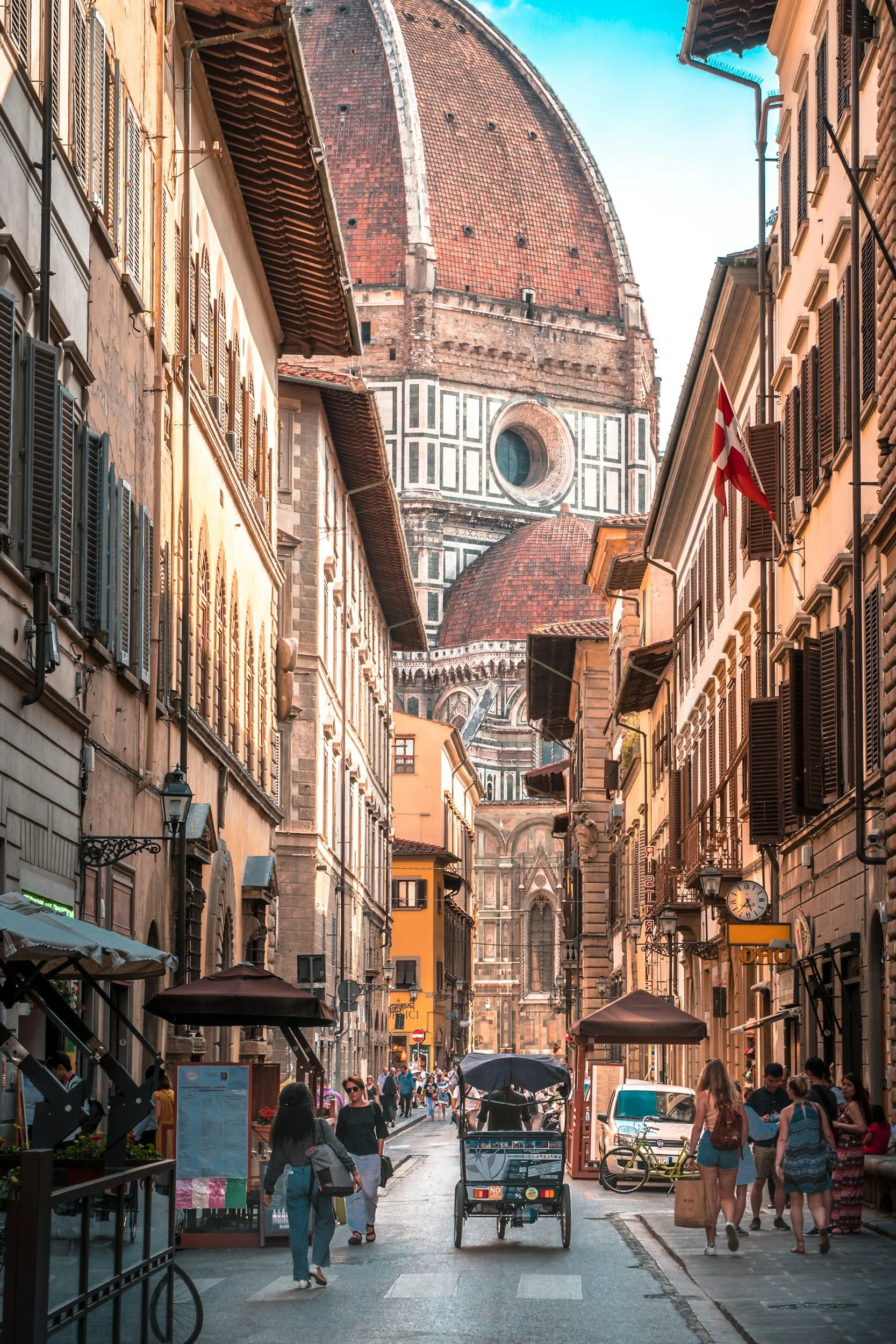
Florence, Tuscany
What I find particularly compelling about Tuscany is its sense of timelessness. Life moves at a deliberately slower pace here. Mornings might begin with espresso in a centuries-old café, followed by a cooking class in a farmhouse kitchen where the techniques haven't changed in generations. Afternoons are for exploring hidden hill towns or soaking in natural hot springs. Evenings unfold over multi-course dinners that stretch late into the warm night.
The Amalfi Coast: Glamour Meets the Sea
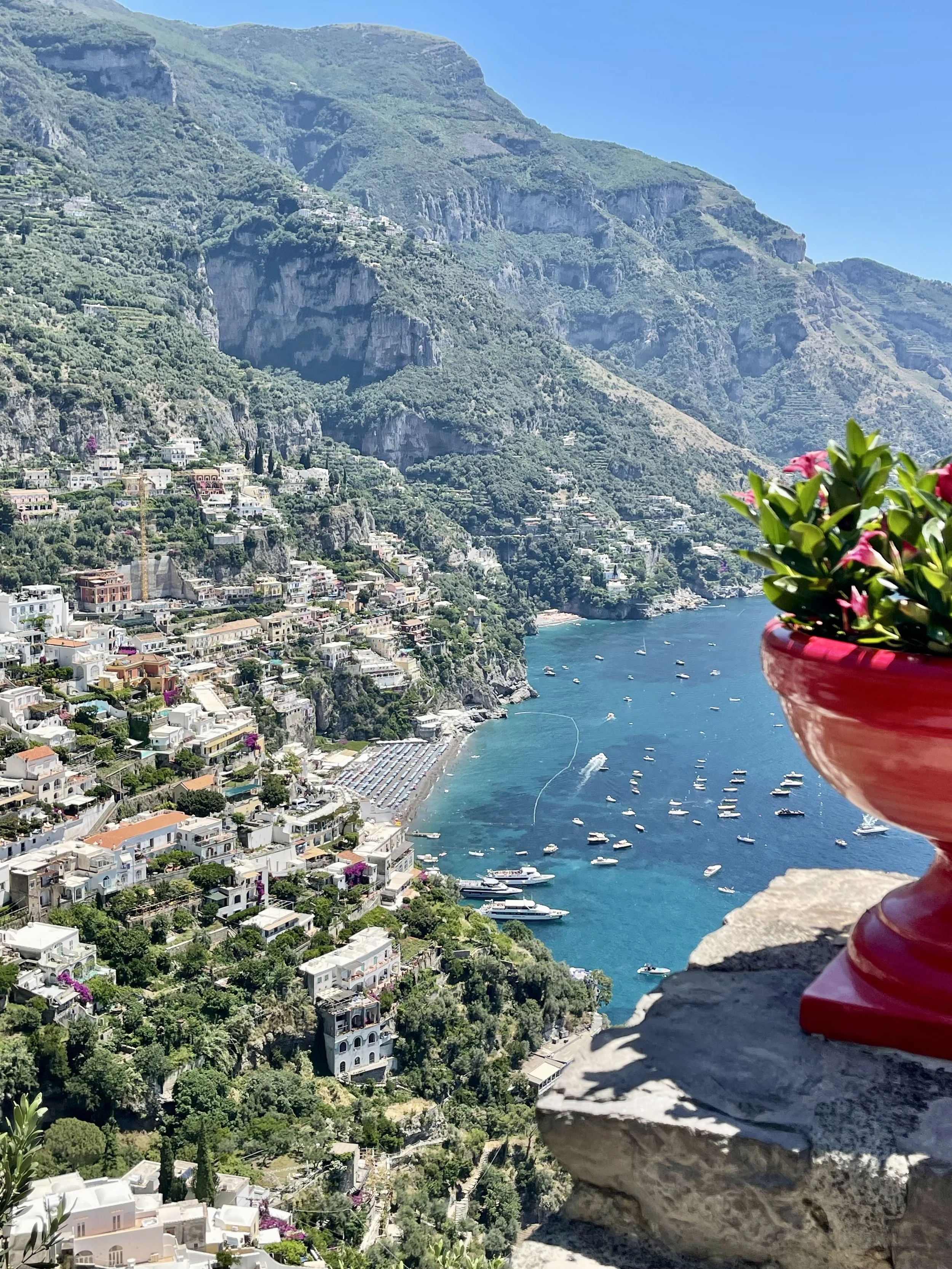
Positano, Amalfi Coast
The Amalfi Coast operates on an entirely different frequency. This is Italy at its most dramatically beautiful—a 50-kilometer stretch of coastline where mountains plunge vertiginously into the Tyrrhenian Sea. Towns like Positano seem to defy gravity, with pastel-colored houses cascading down cliffs in a way that makes you wonder how they were ever built.
This region pulses with a vibrant energy that Tuscany doesn't attempt to match. Positano's narrow streets buzz with chic boutiques and stylish visitors. Ravello, perched high above the coast, hosts world-class music festivals in gardens overlooking infinity. The legendary island of Capri beckons just offshore, promising leisurely yacht excursions and that perfect Aperol spritz with a view.
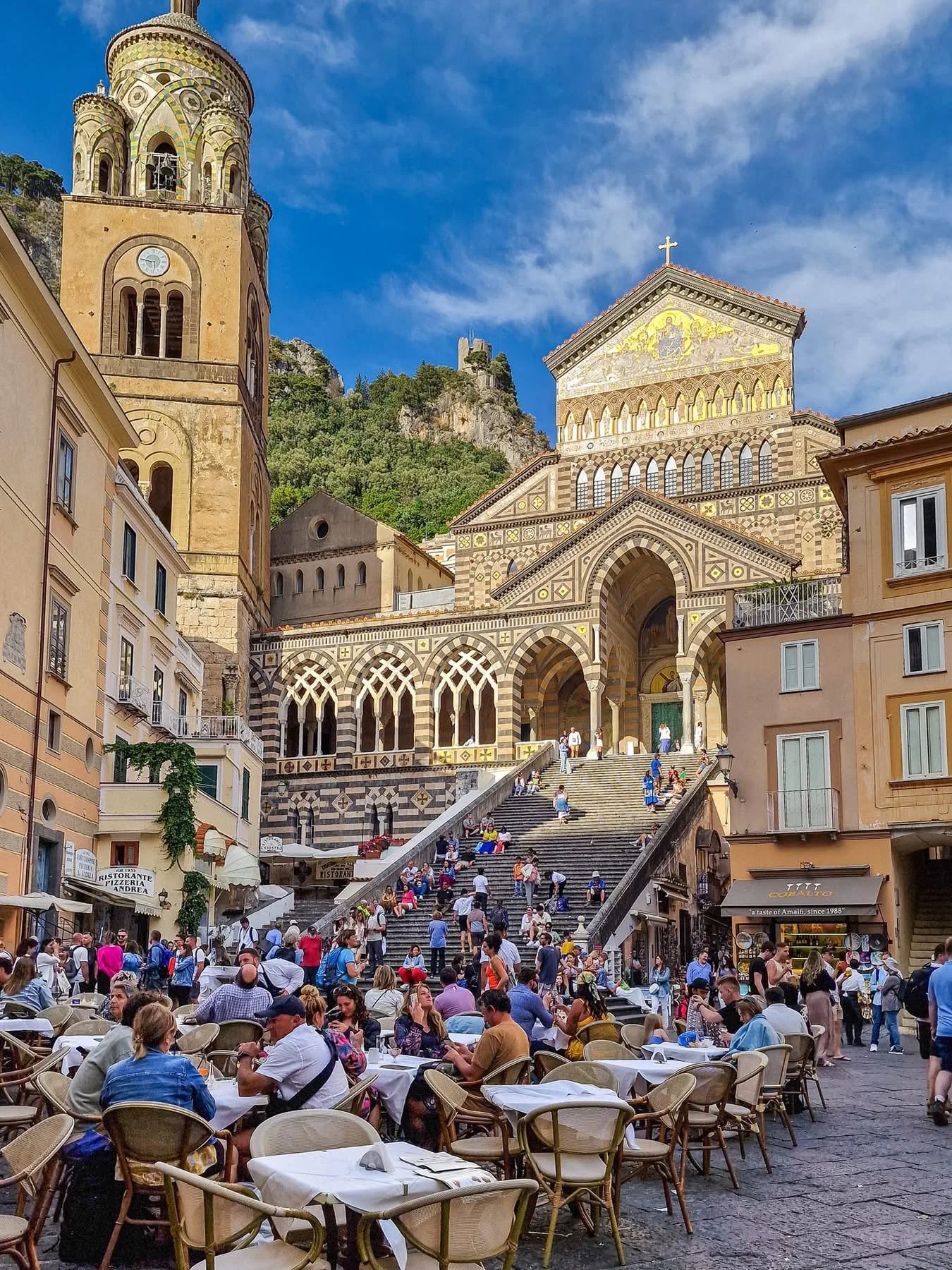
City of Amalfi, Amalfi Coast
The Amalfi Coast is about embracing la dolce vita in its most glamorous form. Days are spent aboard private boats exploring hidden grottoes, lunching at beachside restaurants where your table sits mere feet from the water, and watching sunset transform the Mediterranean into liquid gold. The cuisine here celebrates the sea—think fresh-caught branzino, handmade scialatielli with seafood, and sfogliatella pastries that are worth every calorie.
Weighing the Pros and Cons
Tuscany's Advantages: The region offers exceptional accessibility, with major cities connected by excellent roads and rail service. You'll find extraordinary art and architecture at every turn, along with some of Italy's finest wine country. The gentle, hill-covered landscape is perfect for leisurely drives and outdoor exploration. Accommodations range from converted monasteries to working wine estates, and you'll generally find better value for your money than on the coast. Perhaps most importantly, Tuscany feels authentic and lived-in rather than performed for tourists.
Tuscany's Considerations: Summer brings significant crowds to major cities like Florence and Siena. You won't have beach access, though some areas do have lakes. The region also attracts enormous numbers of visitors, meaning advance planning is essential for the best experiences.
Amalfi Coast's Advantages: The coastal scenery is simply unparalleled—dramatic, romantic, and endlessly photogenic. You'll enjoy excellent beach access and world-class seafood. The Mediterranean climate means long, sun-soaked days. Proximity to Pompeii, Herculaneum, and Naples adds significant cultural depth, while islands like Capri offer easy day trips. The overall atmosphere is decidedly glamorous and celebratory.
Amalfi Coast's Considerations: This is one of Italy's most expensive regions, with limited availability during peak season. Roads are narrow, winding, and often congested—not for the faint of heart. The terrain is quite vertical, requiring lots of stairs and steep walking. The region feels much busier and more tourist-oriented than rural Tuscany, with fewer opportunities for authentic local immersion.
Best For Different Travelers
Choose Tuscany if you're:
Art and history enthusiasts who could spend weeks in Florence's museums
Wine lovers eager to explore legendary vineyards and cellars
Seeking a slower-paced, contemplative Italian experience
Planning a longer stay where you can truly settle into one place
Traveling with older family members who might struggle with coastal terrain
Interested in cooking classes, truffle hunting, and agriturismo experiences
Budget-conscious (relatively speaking) without sacrificing luxury
Choose the Amalfi Coast if you're:
Celebrating a special occasion like a honeymoon or milestone anniversary
Dreaming of dramatic coastal scenery and beach time
Drawn to glamorous, see-and-be-seen atmospheres
Planning a shorter trip where you want maximum visual impact
Seafood lovers who want the Mediterranean on your plate
Interested in yachting, island hopping, and water-based activities
Comfortable with a faster pace and more tourist infrastructure
Where to Stay
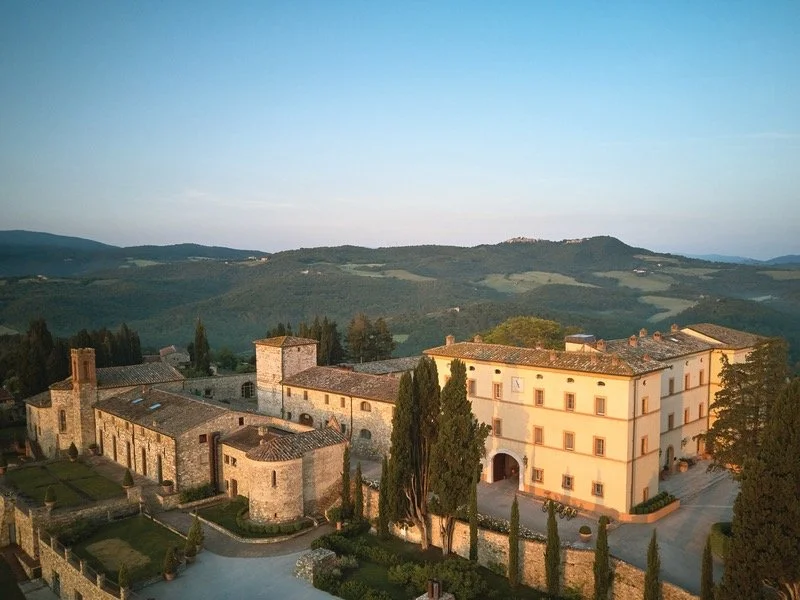
Belmond Castello di Casole, Tuscany
For Tuscany, I consistently recommend Belmond Castello di Casole, a restored 10th-century castle estate near Siena. Set within 4,200 acres of private estate, it offers the perfect balance of history and modern luxury, complete with a Michelin-starred restaurant and world-class spa. The property embodies everything Tuscany should be—timeless, elegant, and deeply rooted in its landscape.
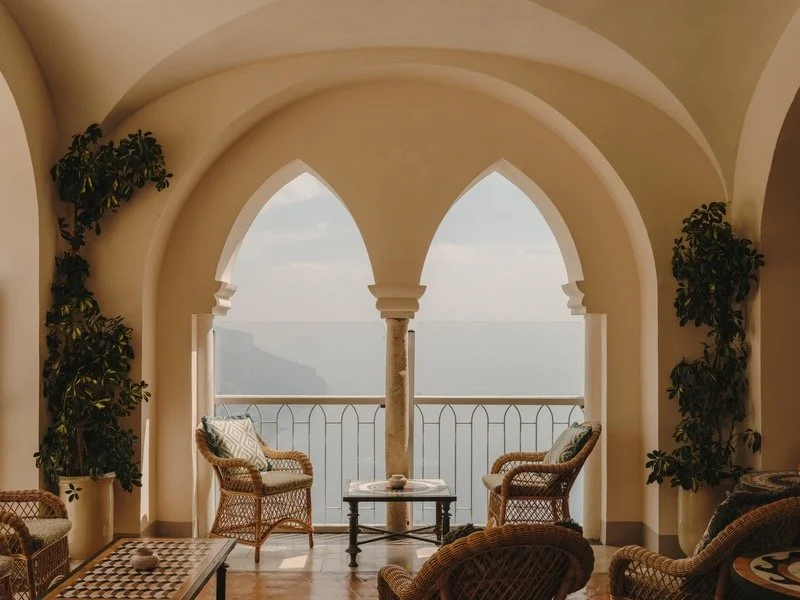
Belmond Caruso in Ravello, Amalfi Coast
On the Amalfi Coast, Belmond Hotel Caruso in Ravello is simply extraordinary. This 11th-century palace, perched 1,000 feet above the coastline, features what might be Italy's most spectacular infinity pool. The views alone justify the journey, but the impeccable service and Michelin-starred dining make it unforgettable. For Positano proper, Le Sirenuse remains the gold standard—a romantic, family-owned property where every detail feels curated with love.
An important note about booking: When you book Belmond properties through me, you'll receive exclusive Signature amenities that simply aren't available when booking independently. These elevated perks ensure your experience exceeds expectations from the moment you arrive. Additionally, for any Belmond booking of $10,000 USD or more, you'll receive a $500 gift voucher to use toward future travel with Belmond—giving you even more reason to continue exploring their exceptional portfolio of properties worldwide.
Timing Your Visit
Tuscany shines brightest in late spring (May-June) and early autumn (September-October). You'll enjoy pleasant temperatures, fewer crowds than peak summer, and the landscape at its most beautiful—wildflowers in spring, harvest season in fall. September deserves special mention for wine enthusiasts, as grape harvest brings the countryside alive with activity.
The Amalfi Coast has a more compressed ideal window. May, June, and September offer the sweet spot of warm weather without the suffocating August crowds. July and August bring peak prices, maximum tourists, and challenging heat. I often suggest visiting in late April or early October if you're flexible—you'll sacrifice some swimming weather but gain remarkable value and tranquility.
The Verdict
Here's the truth: you can't go wrong with either choice. Both regions deliver quintessential Italian luxury, just in different keys. Tuscany offers depth—layers of history, culture, and countryside that reveal themselves slowly. The Amalfi Coast offers intensity—concentrated beauty and glamour that makes an immediate, powerful impression.
My personal approach? If this is your first major Italian journey and you have 12-14 days, consider experiencing both. Start with six nights in Tuscany to decompress and acclimate, then transfer to the coast for your final nights in a dramatic seaside finale. It's possible to see both without feeling rushed, and the contrast makes each region's unique character even more pronounced.
Let's Plan Your Perfect Italian Escape
Choosing between Tuscany and the Amalfi Coast is deeply personal—it depends on your travel style, what you're celebrating, and what you need from your journey. That's where truly bespoke planning makes all the difference.
I'd love to hear about your Italian dreams and help you design an experience that matches not just your destination preferences, but your rhythm, your passions, and what you hope to bring home beyond photographs.
Schedule a complimentary consultation and let's begin crafting your perfect Italian escape. Whether it's Tuscany's sun-drenched hills, the Amalfi Coast's glittering waters, or perhaps both, your ideal Italy awaits.
